For the mother who has tried everything.
You've researched. Advocated. Managed the school calls and the meltdowns.
You've quietly wondered what everyone’s missing.
You don't need another list of strategies.
You need to understand why and someone willing to look beneath results that keep coming back “normal.”
Beneath the Behavior, There Is Often a Reason
As an FDN-P, HTMA Specialist, and a mom who’s been there, I help you explore what may be driving your child’s focus, mood and behavior, using hair tissue mineral analysis, functional lab testing when appropriate and my Mineral Blueprint Framework.
This is not another behavior-management strategy. It is a deeper look at what your child's body may be trying to tell you and how to support them naturally.
Our Offerings:
-
For the parent who’s tired of guessing and wants to know where to start. Using hair tissue mineral analysis, I look at your child’s key mineral patterns and heavy metals, the ones that can play a role in focus, mood, and behavior. Then I turn those results into a personalized nutrition, supplement and lifestyle protocol, so you know exactly what to focus on and can confidently put it in place yourself.
-
You don’t have to figure this out alone. For the mom who wants more than results, the Mineral Blueprint gives you your child’s full mineral picture, a clear plan to follow and me in your corner for four months while you put it into practice. I’ll build a personalized plan from your child’s hair mineral test, health history and goals, mapped out month by month with check-in’s and direct access to me along the way. We finish with a retest so the plan evolves as your child’s body responds.
-
Because your family’s mineral story is connected. During pregnancy your body gave your baby minerals and heavy metals drawing deeply on your own reserves, and rebuilding them can take years. That means your mineral picture and your child’s are connected. The Family Blueprint gives two or more family members the same testing, personalized plans and nine months of support 5 more then the Mineral Blueprint, so you’re working on one coordinated plan together instead of managing everyone separately

Investigate
You have watched the meltdowns, the crash after school, the focus that comes and goes, the increased anxiety and you’ve been told everything looks “normal.” Hair tissue mineral analysis, plus functional lab testing where appropriate, lets us look at the mineral and biochemical patterns that may be sitting underneath it all.

Understand
You won’t get a chart full of numbers and be left to figure it out. I walk you through your child’s results in plain language, so you finally understand what their body may be telling you and why.

Support
Your child gets a personalized plan for mineral balance, blood sugar, and the nervous system, including how stress may be draining their reserves. It’s built around your whole child and your whole family, and it fits real life.
Informed Care, Not Rushed Answers
This isn’t another behavior-management strategy, and it isn’t an anti-medication approach. It’s about helping you ask better questions, understand what may be happening beneath the behavior, and feel more confident about the support your child may need.
The Mineral Mom combines Functional Diagnostic Nutrition with Hair Tissue Mineral Analysis to look at the whole picture, not just individual symptoms. Together we look at patterns that may be contributing to challenges with focus, emotional regulation, energy, hormones, gut health, acne, anxiety and more.
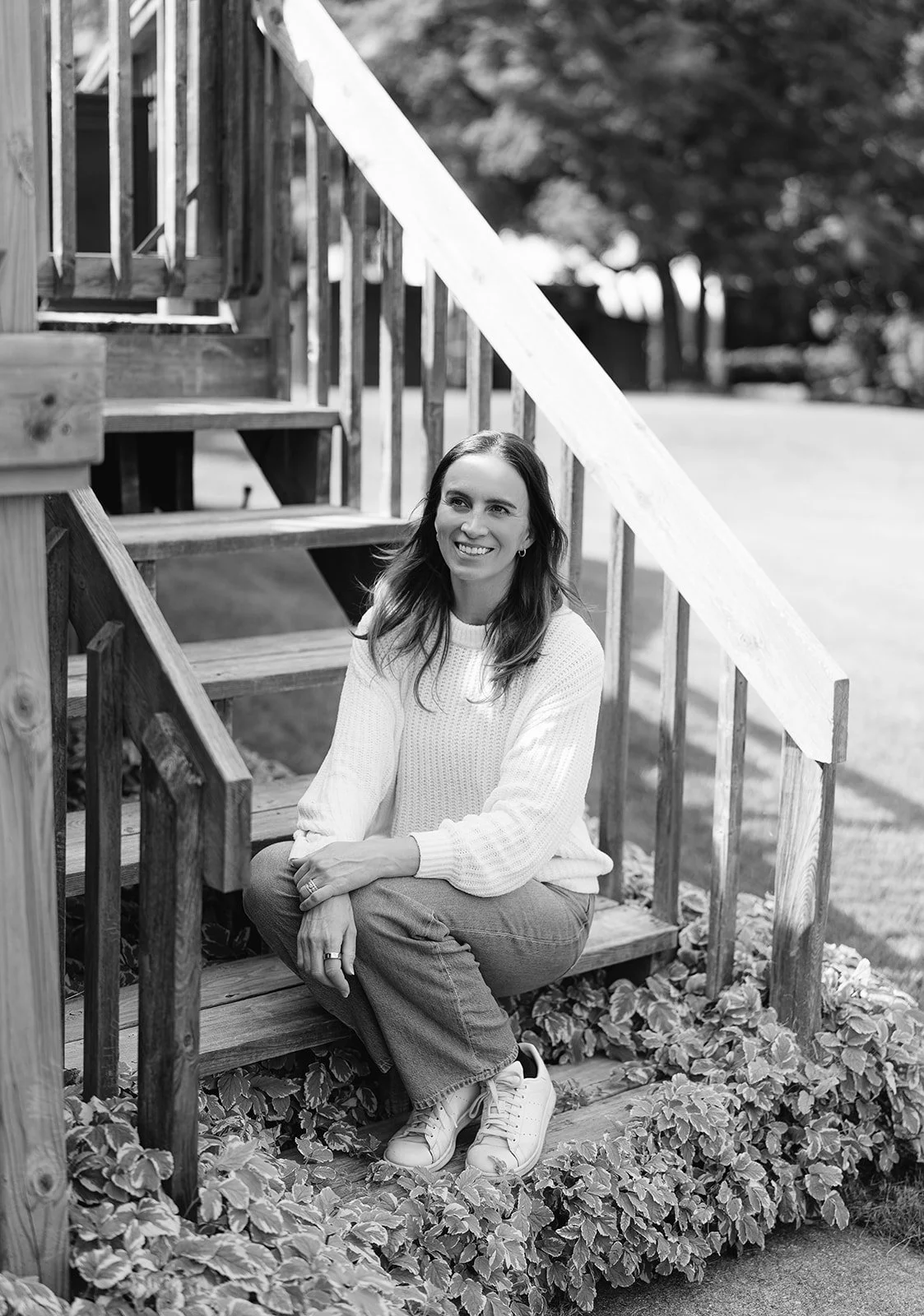
Kirsten’s approach is shaped by both professional training and lived experience. After navigating her own health challenges and later searching for answers for one of her children following multiple specialist appointments and a borderline ADHD diagnosis, she turned to a root-cause approach.
That experience ultimately became the foundation for The Mineral Mom: a place designed to give families more clarity, more understanding and a deeper sense of agency alongside the care they already receive.

From Mother’s Who Have Been There
-
We'd tried so many things before this. Having an actual explanation from Kirsten gave me somewhere to start. A few months in, his teacher asked what had changed, because his focus in class had noticeably improved and he was no longer interrupting the class, he is even completing homework that would have been a battle before.
— Kelly. M., mother of a 13-year-old
-
This wasn't another list of things to try and fail at; I was so tired of trying. It was the first time I understood why certain things were happening in her body. Kirsten took the time to explain and gave me steps to help my child. I noticed her emotional regulation has come a long way since we started, and her sleep is so much better, we aren’t arguing as often either.
— Jen. S. mother of a 16-year-old
-
I was exhausted from being the only one who seemed to think something deeper was going on. Kirsten took that seriously from the first conversation. We're a few months into the protocol and already seeing calmer days and more focus, and fewer meltdowns."
— Margaret, H. mother of an 8-year-old